
10 Aging in Place Home Modifications That Make Daily Living Safer and Easier
Discover 10 essential aging in place home modifications that improve safety, accessibility, and comfort while helping seniors remain independent at home.
Susan C Kesner
4/27/20263 min read
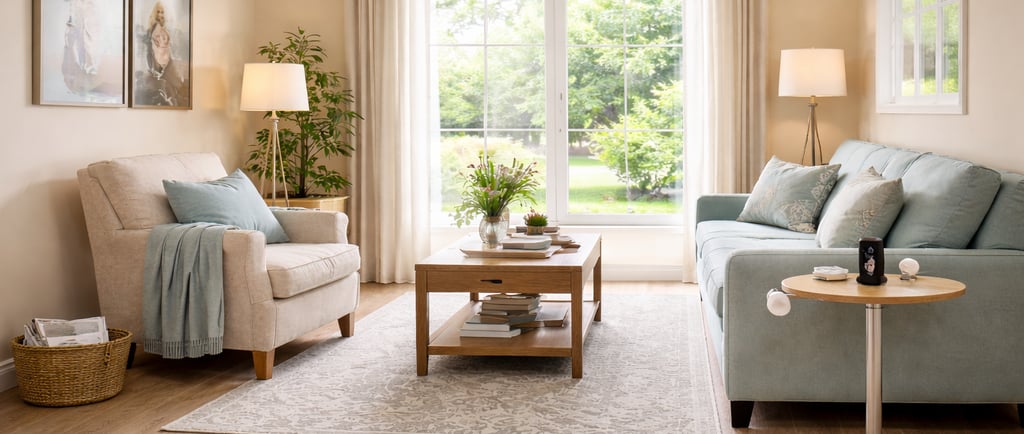
Aging in place means being able to remain in the home you love safely, comfortably, and independently as your needs change over time.
For many people, the desire to stay at home is strong—but most homes are not designed to support aging well. Small, thoughtful modifications can dramatically improve safety, reduce fall risks, and make everyday living easier without sacrificing style.
As someone with a healthcare background in nursing, hospice, assisted living, and memory care, I’ve seen firsthand how the right environment can preserve independence and dignity. The good news is that aging in place home modifications do not need to feel clinical or institutional. They can be elegant, seamless, and beautifully integrated into your home.
Here are ten of the most effective ways to create a safer, more comfortable home for aging in place.
1. Improve Lighting Throughout the Home
Poor lighting increases fall risk, especially for aging eyes that need more illumination.
Key upgrades include:
Brighter ambient lighting in hallways and stairways
Under-cabinet kitchen lighting
Motion-sensor night lights in bathrooms and bedrooms
Layered lighting for task areas
Good lighting improves visibility, comfort, and confidence in every room.
2. Install Stylish Grab Bars
Grab bars are no longer limited to institutional-looking designs.
Today’s options come in elegant finishes that blend beautifully into bathrooms and showers while providing essential support where slips are most likely to occur.
Ideal locations:
Inside showers
Near bathtubs
Beside toilets
3. Upgrade to Zero-Threshold Showers
Traditional tubs and raised shower edges create tripping hazards.
A zero-threshold shower:
Eliminates step-over barriers
Improves wheelchair or walker accessibility
Creates a clean, modern aesthetic
This is one of the most valuable aging in place remodeling upgrades.
4. Choose Non-Slip Flooring
Slippery surfaces are among the greatest household hazards.
Best flooring choices for senior safety include:
Slip-resistant tile
Low-pile carpet
Textured vinyl flooring
Matte-finish hardwood surfaces
Avoid loose rugs unless secured with non-slip backing.
5. Widen and Clear Walking Paths
Furniture layouts often become obstacles as mobility changes.
Simple adjustments like:
Removing clutter
Creating wider pathways
Rearranging furniture for walker clearance
can make movement through the home safer and easier immediately.
6. Replace Round Doorknobs with Lever Handles
Lever-style handles are much easier for people with:
Arthritis
Reduced grip strength
Limited hand mobility
This small change makes a big daily difference.
7. Select Supportive, Easy-to-Use Furniture
Soft, low furniture may look inviting—but can be difficult to rise from safely.
Choose seating that offers:
Firm cushions
Proper seat height
Stable arm support
Comfort and safety should work together.
8. Reinforce Stair Safety
Stairs can quickly become dangerous without proper support.
Important upgrades include:
Secure handrails on both sides
Improved stair lighting
Contrasting stair-edge visibility strips
Non-slip stair treads
9. Add Smart Home Assistive Technology
Technology can make independent living easier and safer.
Helpful options include:
Voice-activated lighting
Smart thermostats
Video doorbells
Medication reminder systems
Fall alert devices
These tools provide convenience and peace of mind.
10. Reorganize Kitchen Storage for Accessibility
Frequently used items should be easy to reach without bending, stretching, or climbing.
Consider:
Pull-out shelves
Lower cabinet drawers
Easy-grip hardware
Accessible countertop storage
A safer kitchen supports independence every day.
Why Proactive Aging in Place Home Modifications Matter
Too often, families wait until after a fall or health crisis to make changes.
The best time to improve home safety is before urgent needs arise.
Proactive planning helps:
Prevent injuries
Preserve independence
Reduce caregiver stress
Extend time safely spent at home
Thoughtful design creates confidence—not just convenience.
Beautiful Homes Can Also Be Safe Homes
Accessible home upgrades should never compromise beauty.
With the right design approach, aging in place modifications can enhance both function and style—creating spaces that remain warm, elegant, and deeply livable.
A well-designed home supports not only how we live today, but how we hope to live tomorrow.
Ready to Make Your Home Safer and More Supportive?
Whether you’re planning ahead for yourself or helping a loved one remain at home longer, small changes can create lasting impact.
If you’re considering aging in place home modifications, I can help you design solutions that are practical, beautiful, and tailored to your lifestyle.